
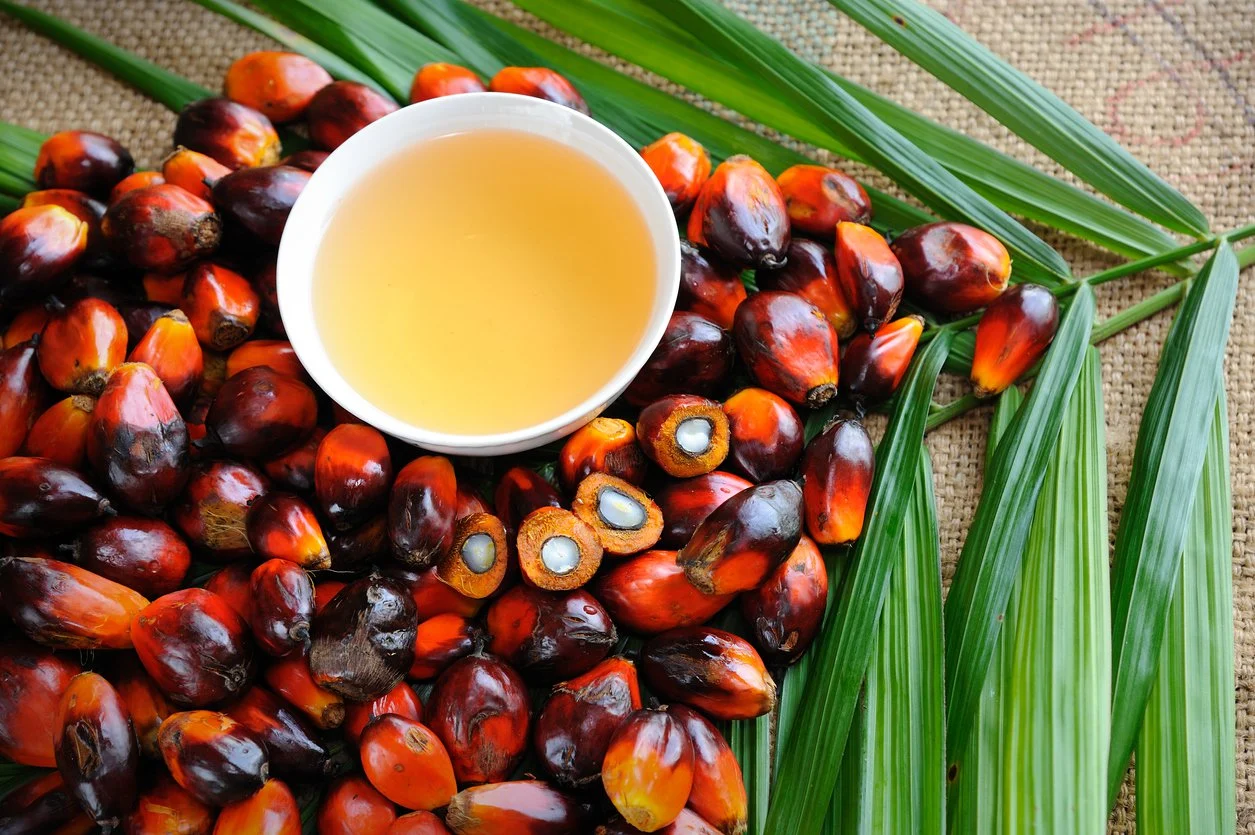
Raw material data sheet. Palm kernel oil
Palm kernel oil (PKO) is extracted from the seed (nuts or kernel) of the African oil palm. It is a very stable oil, high in lauric acid. Due to its high saponification index, it is widely used in the chemical industry, mainly for soap production. Its stability makes it is an excellent alternative oil for the food industry (bakery, confectionery, ice-cream, etc.). The widespread use of palm oil, and the higher yield of Asian species, have shifted the production hub from West Africa to Southeast Asia. This has resulted in a desired change towards new varieties, with higher proportion of palm pulp and less seeds (K.G. Berger, Encyclopedia of Food Sciences and Nutrition, 2003). Chemical composition and nutritional value of palm kernel oil Due to its high content of saturated fatty acids (>80%), palm kernel oil begins to solidify at around 20°C. Lauric acid is the most abundant fatty acid; 99% of the palm kernel oil triglycerides contain at least one molecule of lauric acid. The proportion of total lauric acid reaches its maximum level after the 14th week of maturation. The palmitic, stearic, oleic, and linoleic acids, which constitute 80% at 10 weeks after fructification, are reduced to 20% within the following 4 weeks (Hartley, 1957).